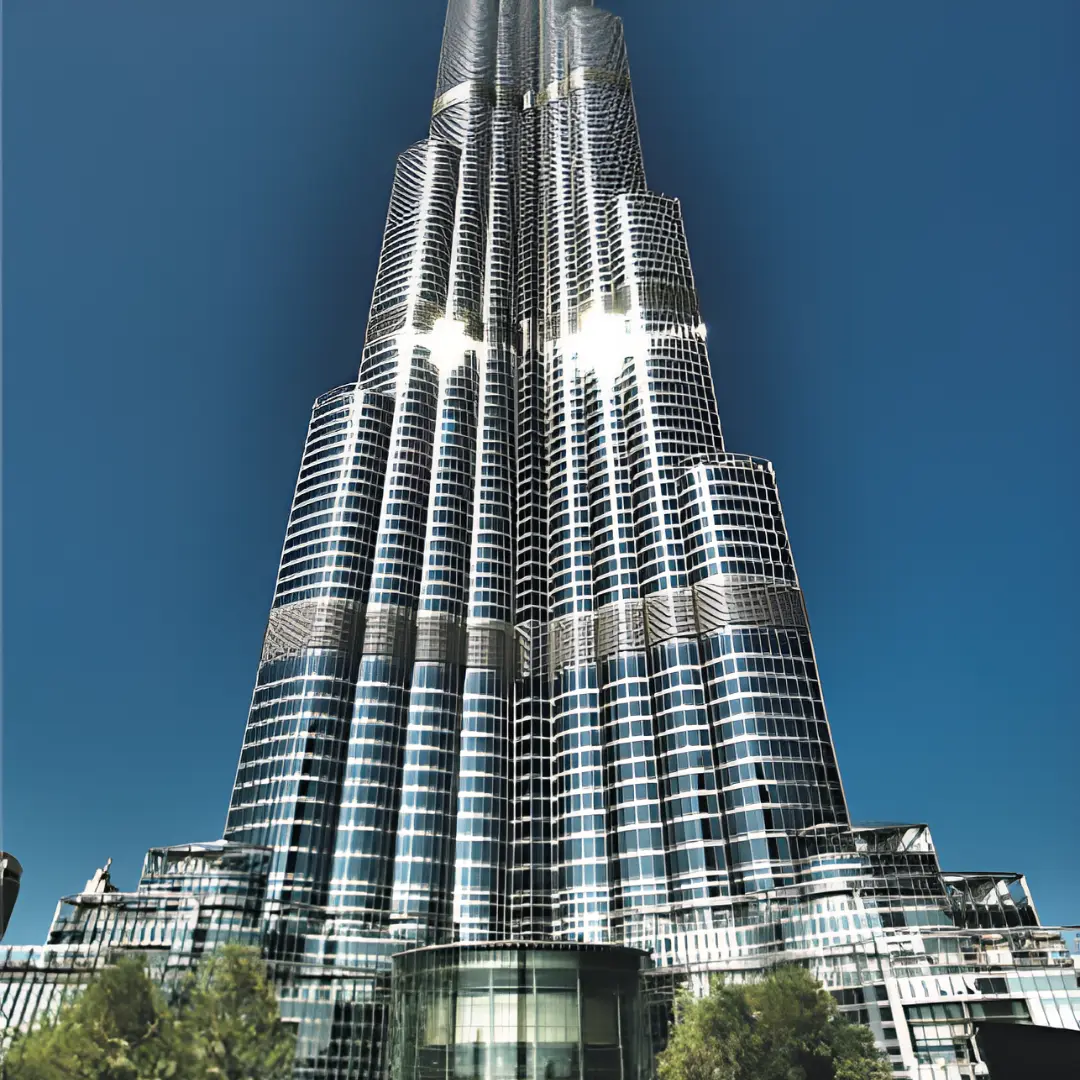
Burj Khalifa, Dubai, United Arab Emirates (xxxxxx)
Reaching for the Sky
The Burj Khalifa skyscraper in Dubai, United Arab Emirates, captured the attention of the world. Originally called the Burj Dubai, the 828m business, hotel and residential apartment tower overshadows the previous world’s tallest building, the Taipei 101, by 300m.
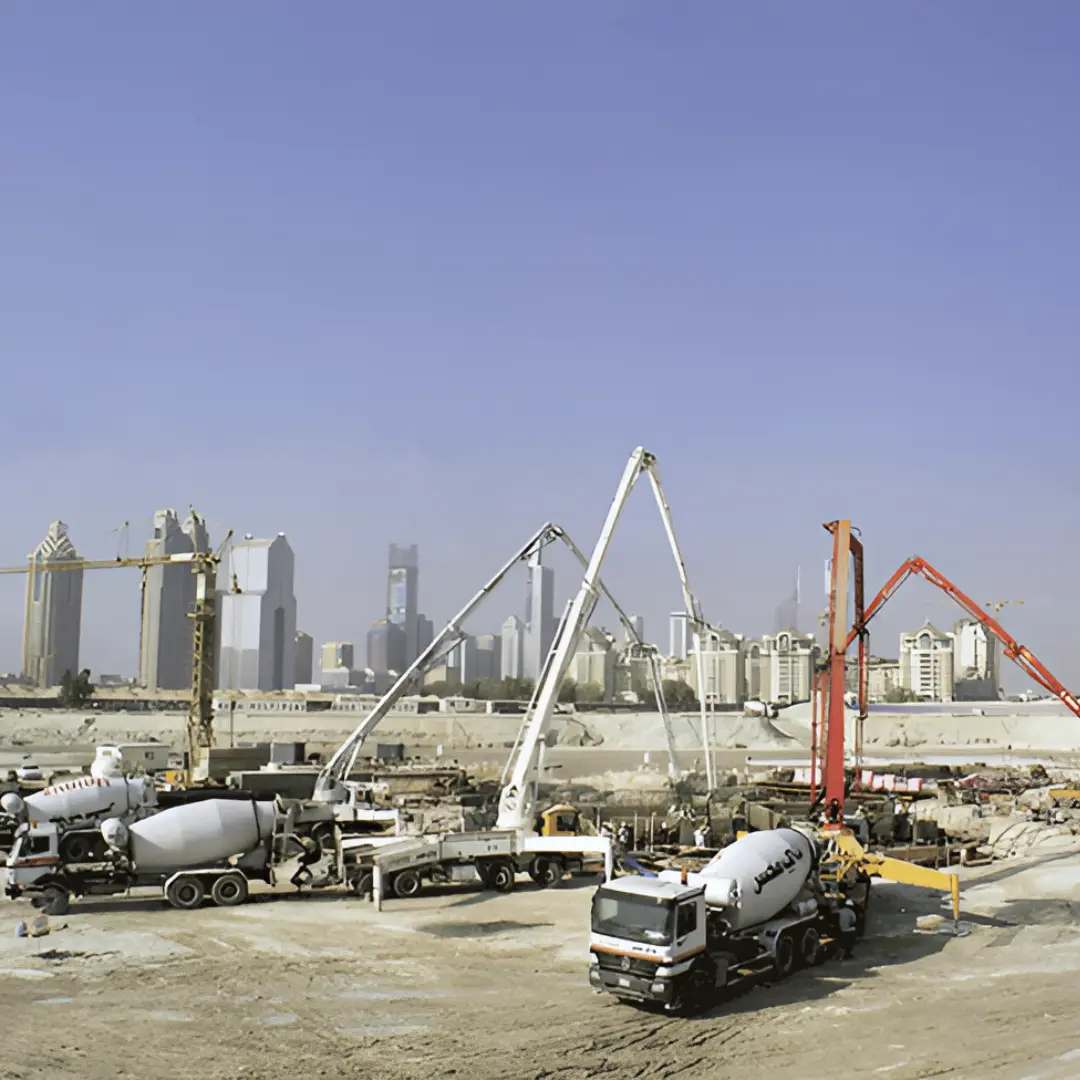
Critical to the success of this historic feat of engineering is the piling and foundation ground works. The aggressive environmental conditions in the Arabian Gulf necessitated the use of high strength and extreme durability concrete. After extensive testing by international authorities, the concrete mix that was used incorporated Ash Resources’ classified fly ash, DuraPozz®.
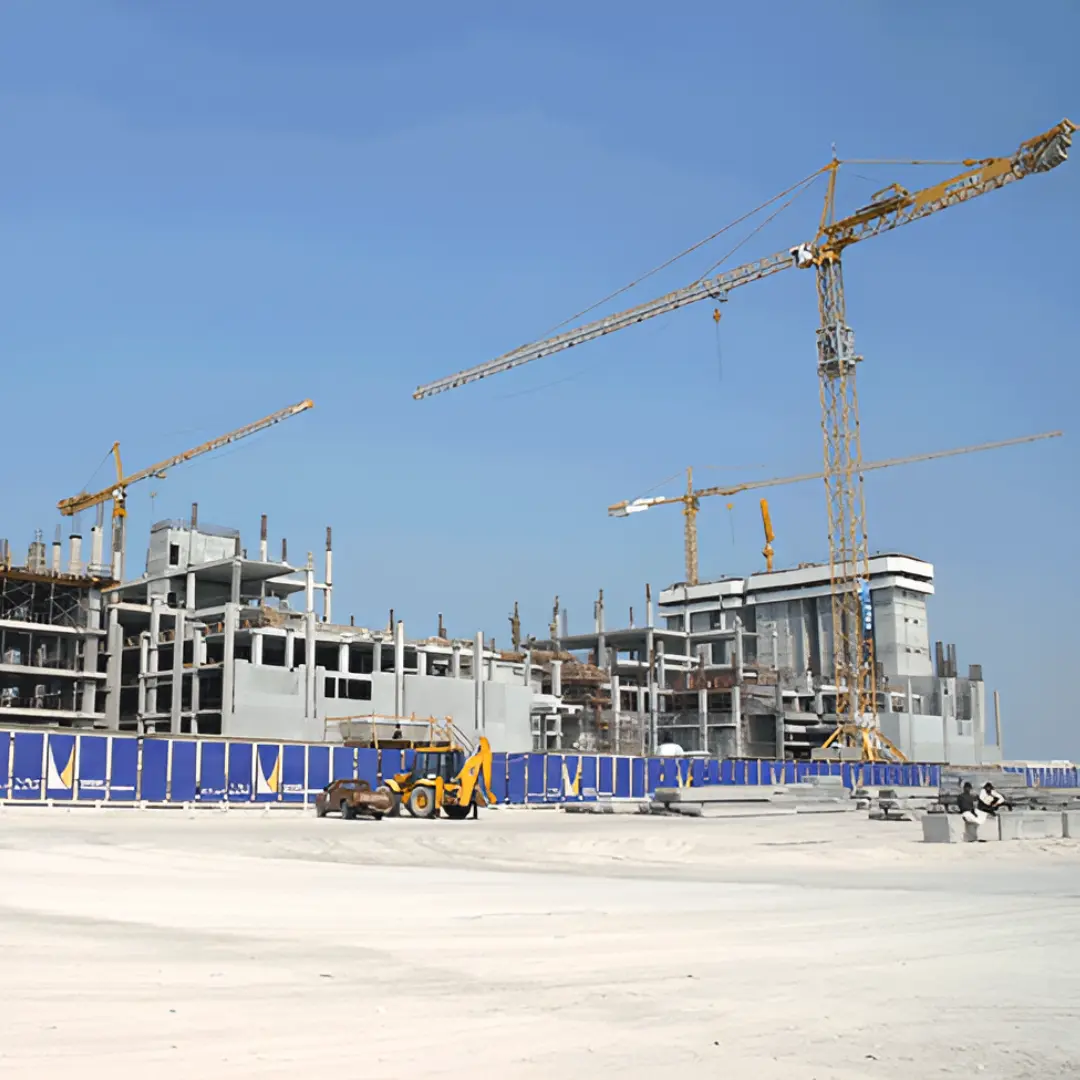
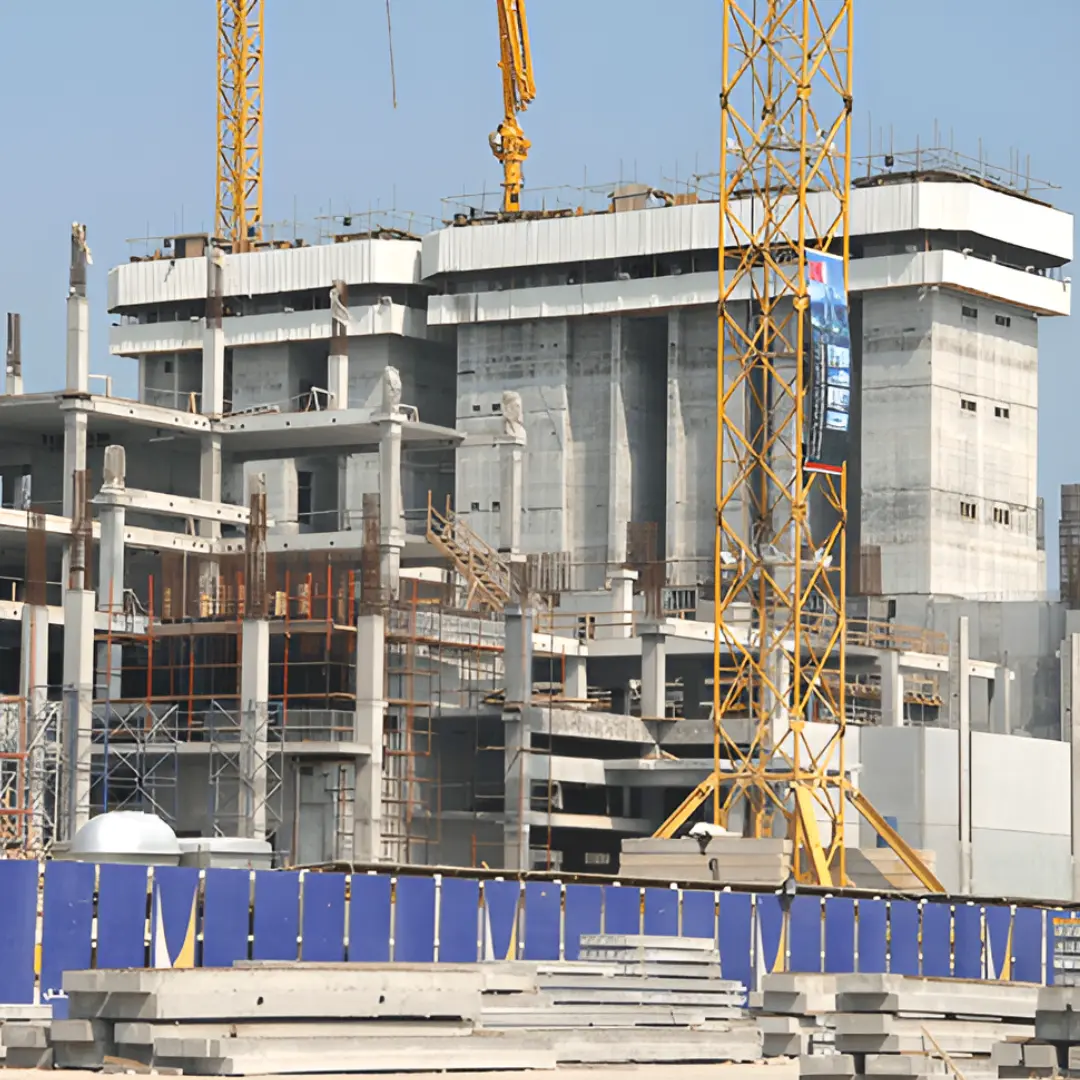
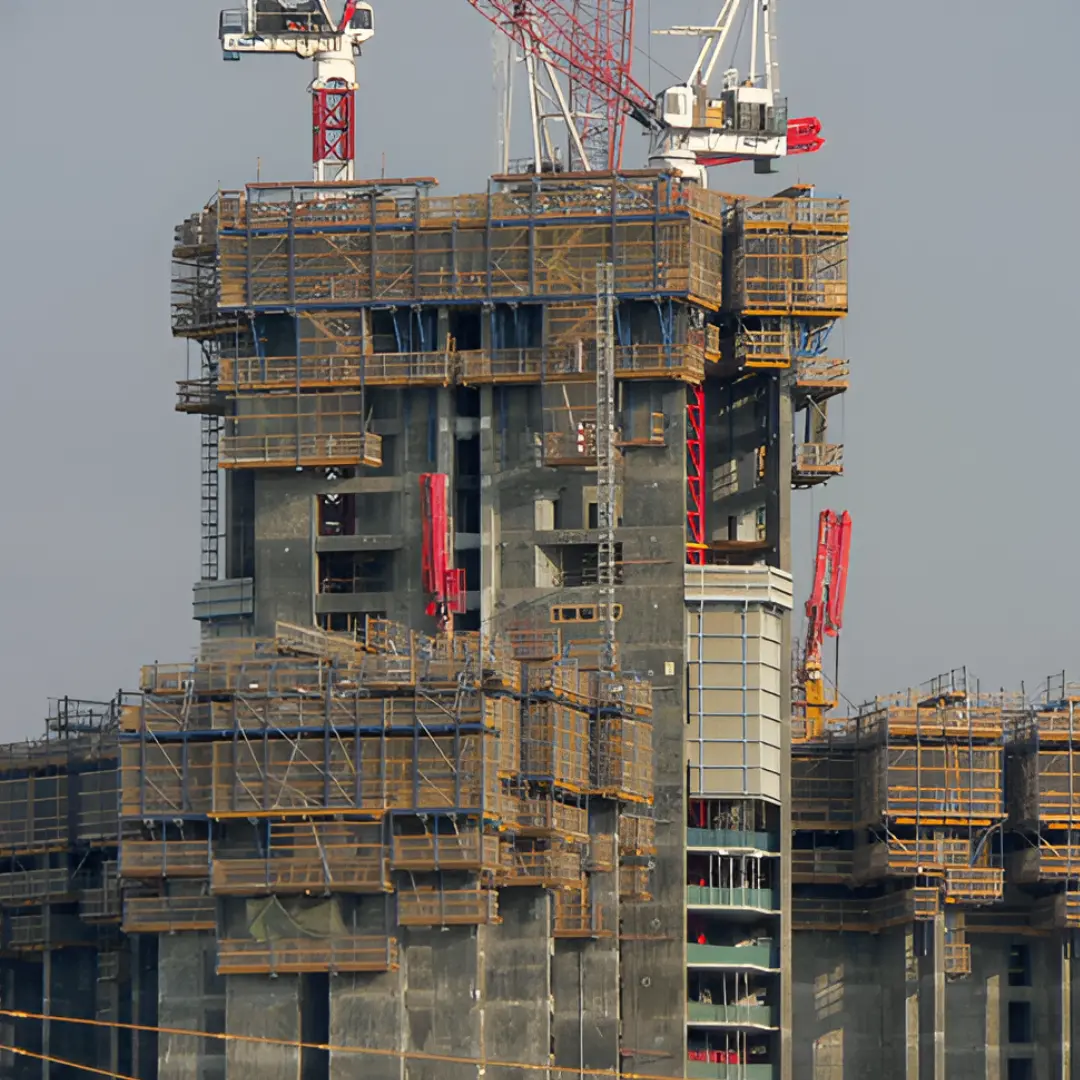
The underlying design inspiration for the tower came from the three element geometrics of the desert flower, Hymenocallis, blended with traditional Islamic architectural patterns. The footprint of the building covers close to 8 000m² and work on the foundation began in February 2004. The main foundation structure was formed from 192 piles sunk to a depth of more than 50m. The piles are locked together by a 3,7m concrete raft across the tower’s entire footprint. Another 700 piles were driven around the raft slab for the podium. 50300 tons of DuraPozz® was used in the piling for the main foundation structure Burj Khalifa and the completed raft used a further 2 350 tons. The superstructure was constructed from over 250 000m³ of concrete containing approximately 15 000 tons of DuraPozz®.
The durability and performance criteria for the foundation concrete were exceptionally tight and trial blocks (3m x 3m x 3,7m) were made to test heat of hydration, shrinkage and modulus of elasticity. Core samples were then taken from these blocks and sent to the UK and USA for thorough testing. The final mix design for the raft foundation included 40% DuraPozz®.
DuraPozz® was supplied from the Ash Resources Lethabo plant to the Dubai site in a feat of logistical competence that ensured on-time deliveries without any delays to the concrete works.
Ash Resources’ involvement in the construction of the Burj Khalifa Tower was a tribute to the company’s twenty-five years of pioneering market development, which included extensive cooperative research work with the Materials Testing facility at the Ministry of Works in Bahrain.
The Burj Khalifa skyscraper is the world’s tallest building at 828 metres